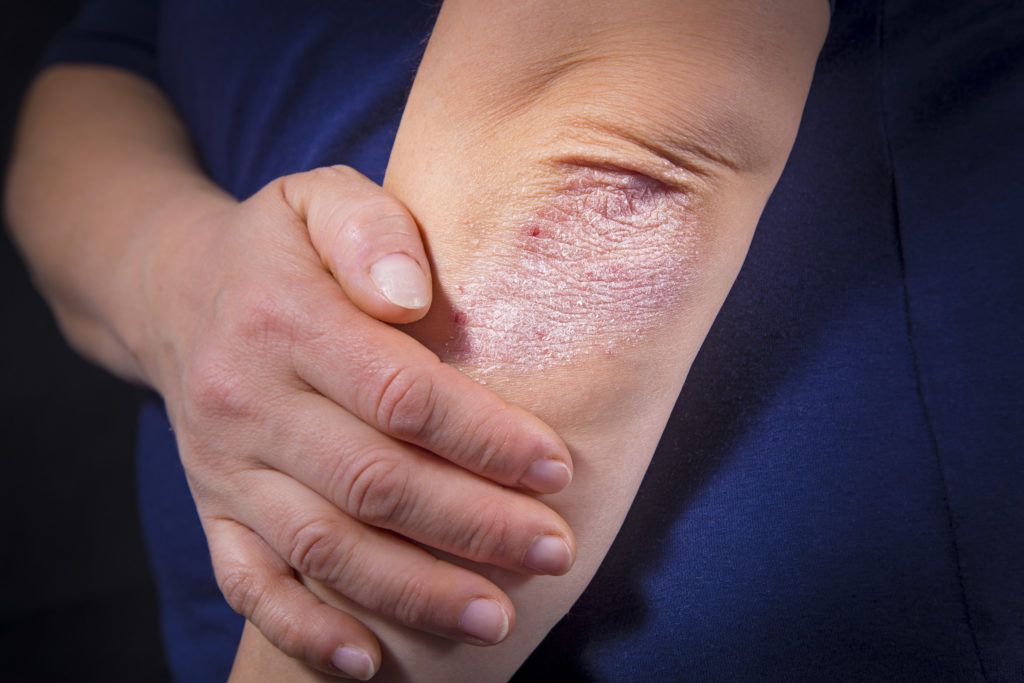
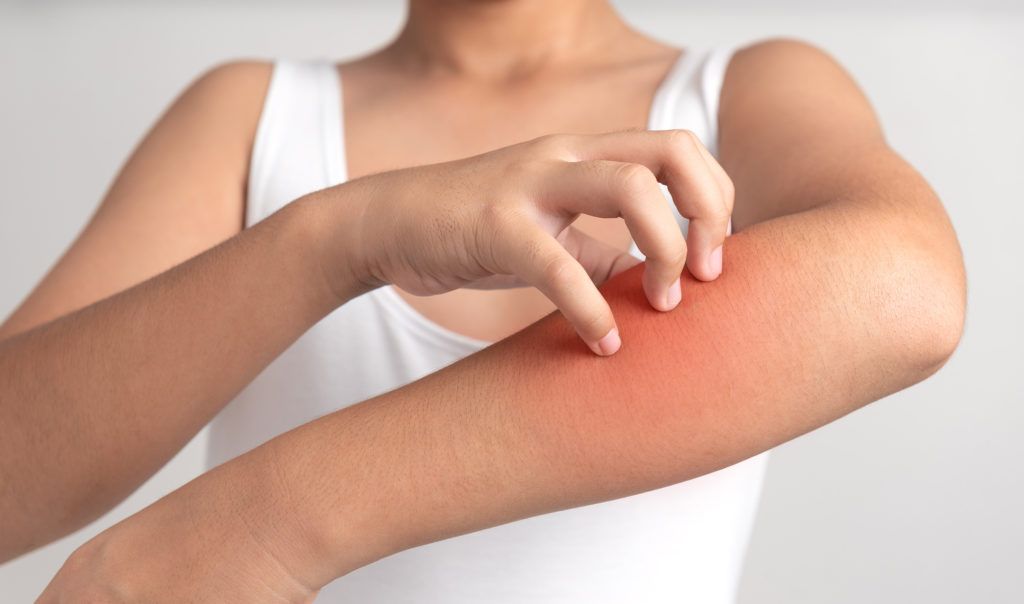
Psoriasis is a non-contagious, lifelong skin disorder. The most common form being plaque psoriasis. It appears as raised red scaly patches with silvery scales that form most often on the scalp, elbows, knees or lower back. Topical therapies are useful in controlling mild and moderate cases of this chronic skin condition. Systemic drugs such as Otezla, Acitretin and biologic agents such as Embrel, Humira, Stelara, Tremfya, and Costentyx are used for more severe cases. Patients can also be treated with light therapy (UVB), and laser (excimer).
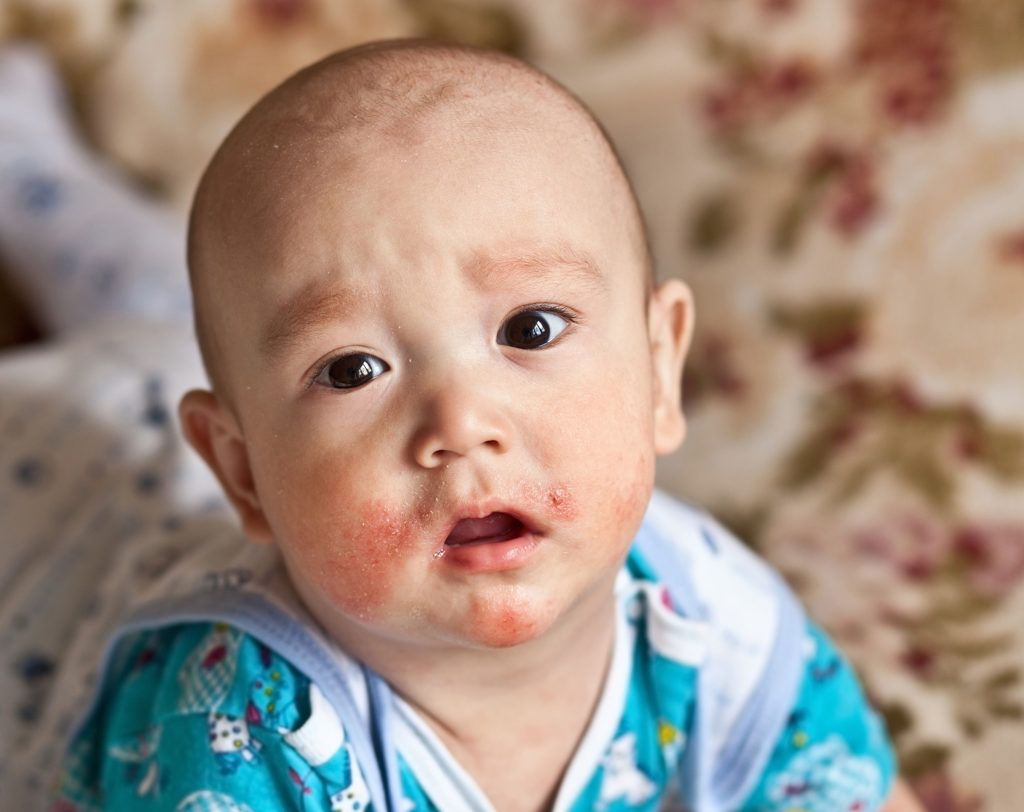
Dr. Nicolaides and his team are experienced in treating pediatric skin conditions (babies and kids) and will provide a comfortable, safe and worry-free experience for both child and parent. They will educate parents about their child’s condition to help ensure proper treatment and home care. Children are often at risk for fungal and bacterial infections of the skin, as well as a wide array of other acquired and congenital conditions such as warts, rashes, eczema, birthmarks, and acne.
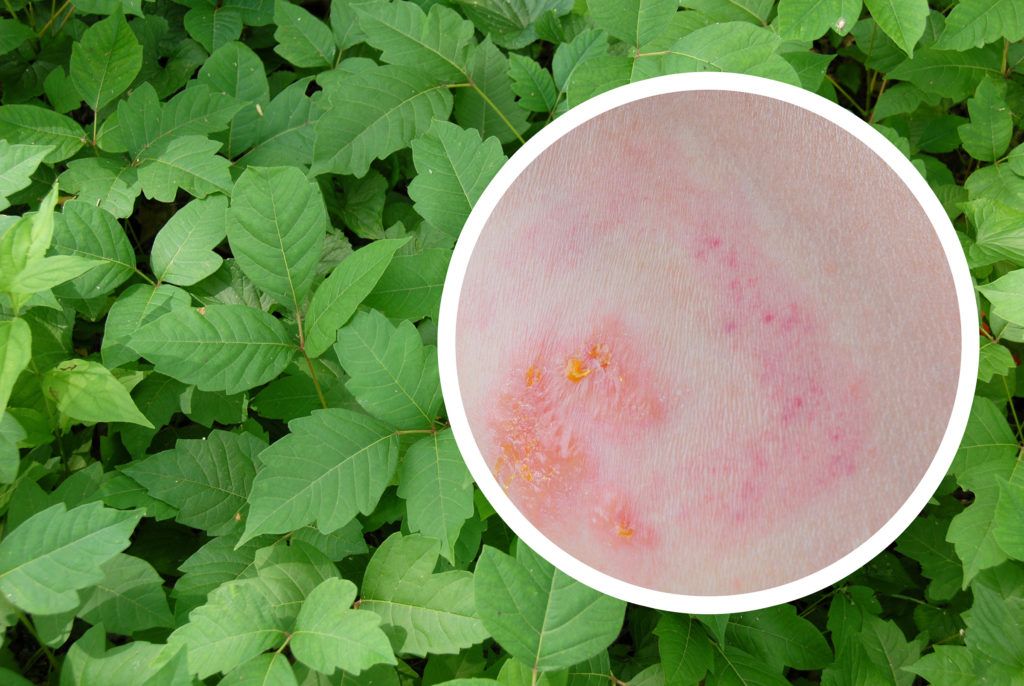
All three of these conditions are extremely uncomfortable. An allergic reaction is caused by your skin when you are touched by any of these plants. Your skin creates an inflammatory reaction, causing redness, itching, rashes and even blisters. You will usually notice the inflammatory reaction within 1-2 days after direct exposure, and the discomfort may last up to 21 days. There are numerous treatments that Dr. Nicolaides and his team can perform, and it is best to make an appointment for proper evaluation.
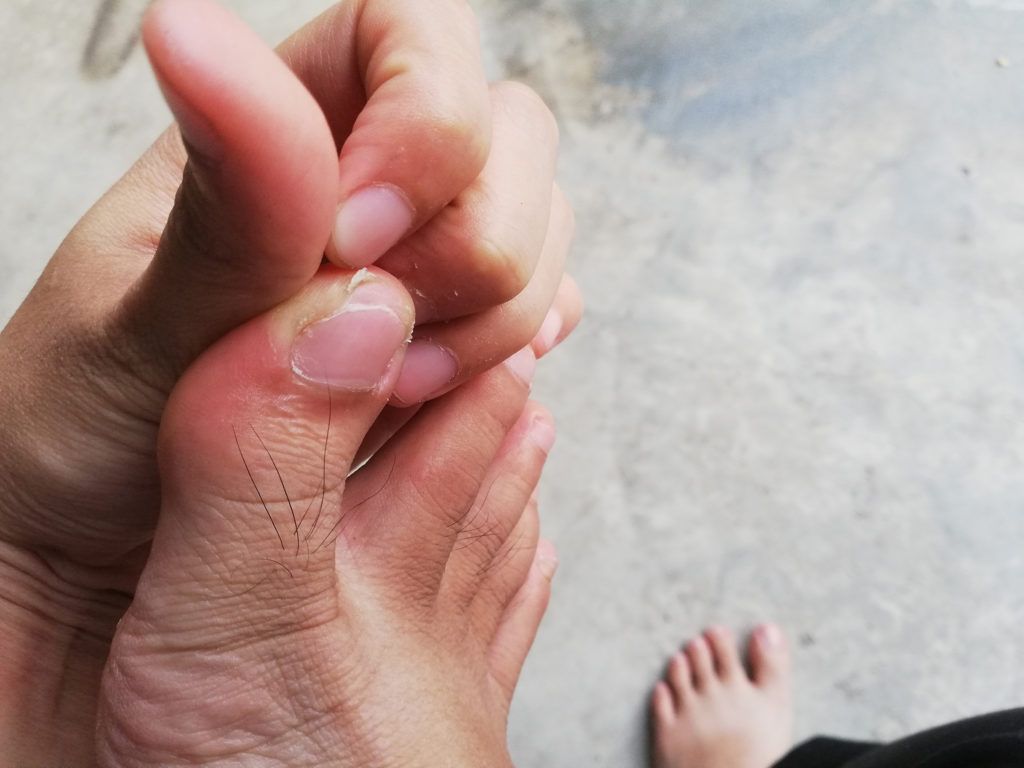
Fingernails and toenails can reflect underlying health conditions and should be addressed if symptoms of disease, injury, fungus or improper nail clipping are shown. A proper diagnosis can be determined and treated and many resolved.
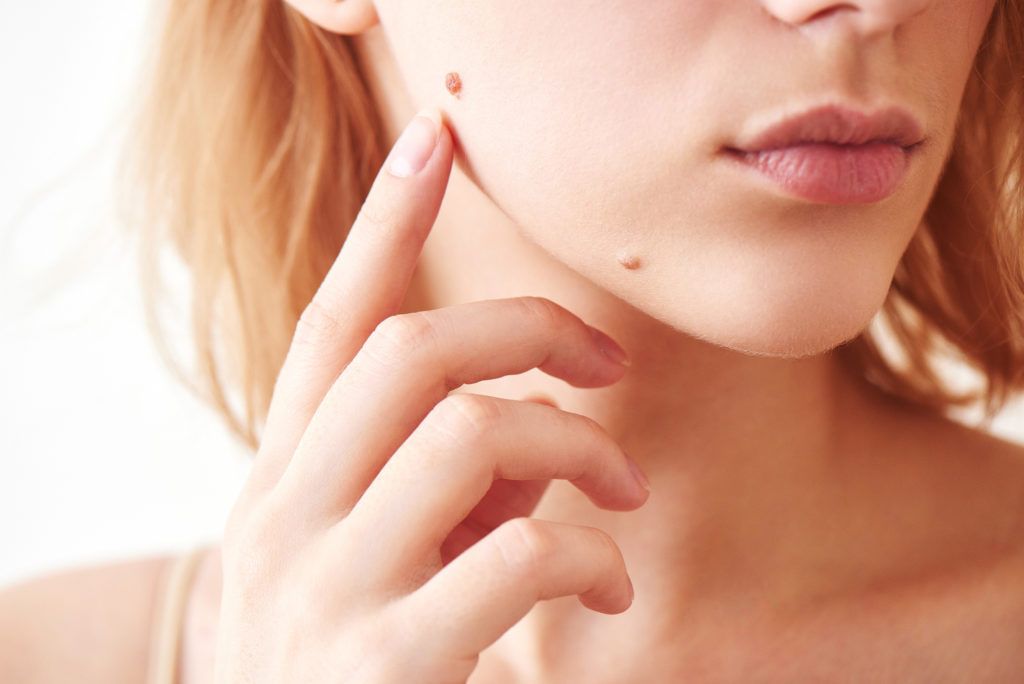
Moles are growths on the skin that are usually brown or black. Moles can appear anywhere on the skin, alone or in groups. Most moles appear in early childhood and continue into adulthood. It is normal to have between 10-40 moles by adulthood.
As the years pass, moles usually change slowly, becoming raised and/or changing color. Sometimes, hairs develop in the mole. Some moles may not change at all, while others may slowly disappear over time. If you notice changes in a mole’s color, height, size, or shape, if they bleed, ooze, itch, or become tender or painful you should have a full body skin check by Dr. Nicolaides to evaluate for skin cancer. It is extremely important to have body checks on a routine basis (we suggest annually) to ensure that any mole that increases in size, color or shape is not overlooked as a potential for melanoma. This is by far the most serious dermatologic condition, and if not treated early, can be life threatening.
Hyperhidrosis means excessive sweating that’s not necessarily related to heat or exercise. It is caused by an overactive sympathetic nerve. It is a medical condition affecting 3% of the population, people as young as 13 years old. Besides disrupting normal daily activities, this type of heavy sweating can cause social anxiety and embarrassment causing debilitating physical and emotion symptoms. Treatment can help facilitate a life free of the worry of excessive sweating. There are medical treatments for hyperhidrosis. Common treatments for excessive sweat include:
Anticholinergics or drugs that block the body’s sweat trigger
Botox injections to block the nerve signals that trigger sweat
Prescription antiperspirants
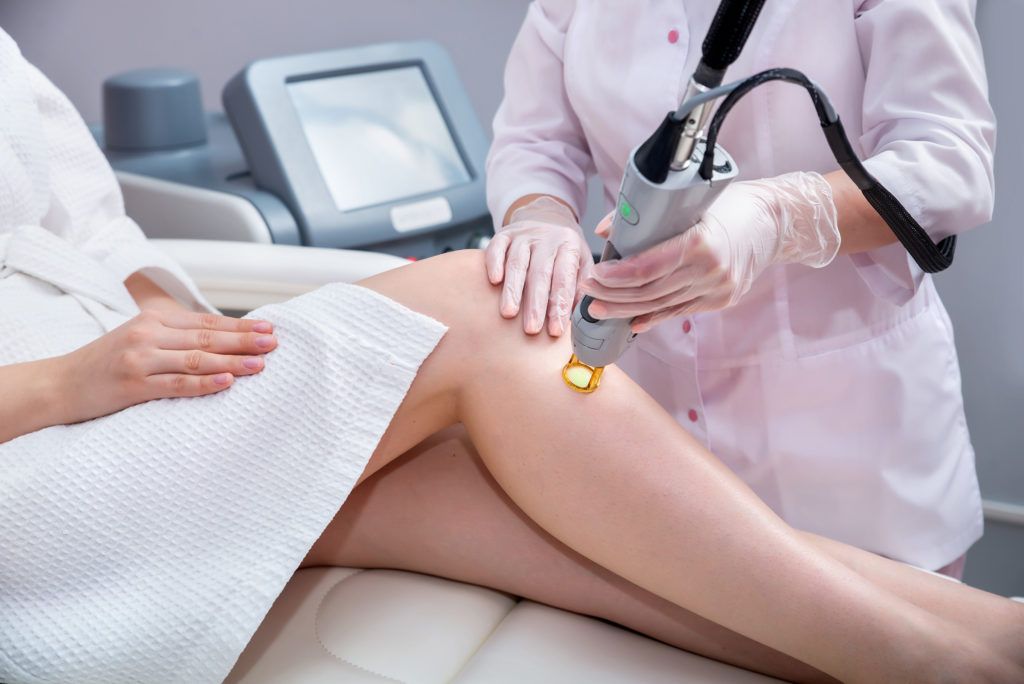
If shaving, tweezing, or waxing to remove unwanted hair is something you’re not happy to do, then laser hair removal may be an option worth considering. Most patients have permanent hair loss after an average of three to seven sessions. If you are planning on undergoing laser hair removal, you should limit plucking, waxing, and electrolysis for six weeks before treatment. That’s because the laser targets the hairs’ roots, which are temporarily removed by waxing or plucking.
You should also avoid sun exposure for six weeks before and after treatment. Sun exposure makes laser hair removal less effective and makes complications after treatment more likely. Dr Nicolaides and his team custom set the laser equipment, adjusting it according to the color, thickness, and location of your hair being treated as well as your skin color.
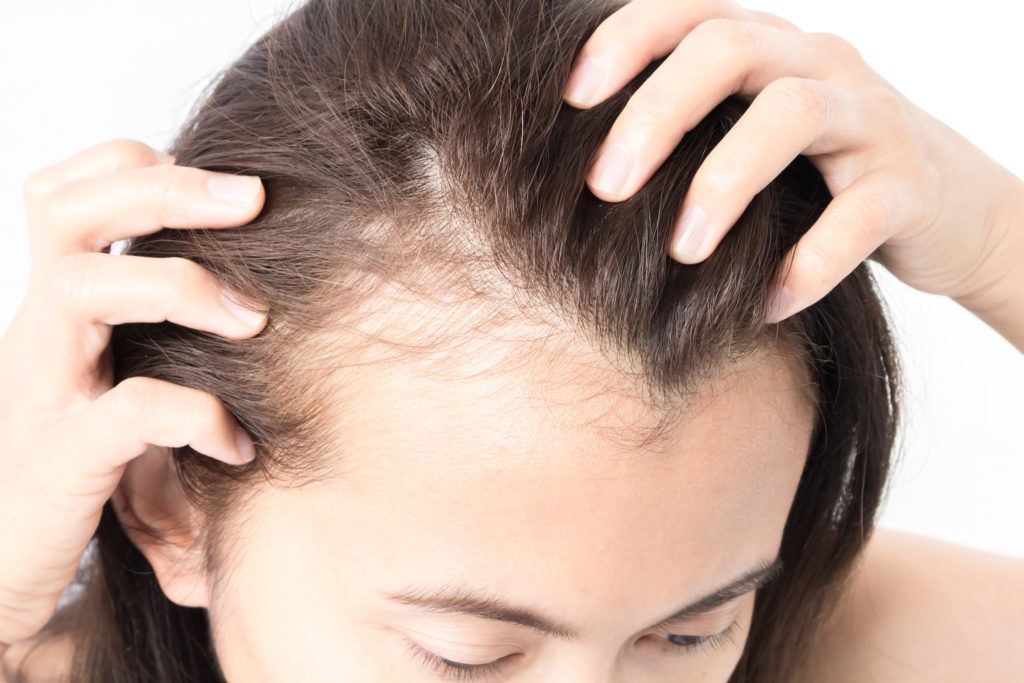
Gradual permanent hair thinning is part of the normal aging process. However, sudden hair loss in greater amounts than normal can be caused by certain diseases, illnesses, hormone-related disorders, nutritional deficiencies, medication, stress, pregnancy and other factors. Hair loss, or a medical term known as alopecia is a thinning, gradual, or sudden loss of body or scalp hair.
There are three forms of alopecia:-
Alopecia areata (hair loss in patches)
Alopecia totalis (lose all hair on the scalp)
Alopecia universalis (lose all hair on the body). In many of these cases, identifying and treating the underlying cause can stop hair loss and promote regrowth of hair.
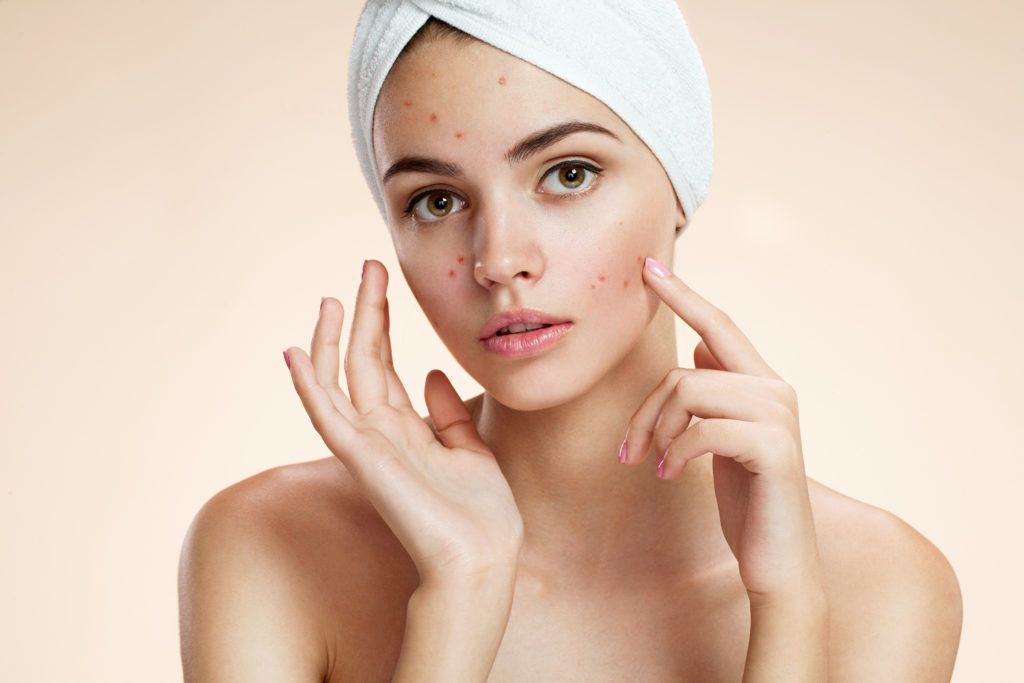
Acne is the most common skin condition in the US. It is most common in teenagers and young adults but can affect any age. Acne is chronic and often inflammatory. Acne occurs when hair follicles are plugged with oil and dead skin cells. It is characterized by large, red, and tender bumps, blackheads, or white heads (pus-filled pimples), oily skin. It primarily affects areas of the skin with a relatively high number of oil glands, such as the face, neck, chest, and back. It is not dangerous, but it can result in scars. The resulting appearance can lead to anxiety, reduced self esteem and in some depression. Dr Nicolaides and his team know that letting acne runs its course is not always the best advice and proper treatment is available to keep your skin looking as clear as possible. There are numerous procedures and treatments that Dr. Nicolaides and his team can perform including: prescription topical creams, oral meds, photodynamic therapy, blu-light therapy, chemical peels, intralesional injections (cortisone shots), and acne surgery. It is best to make an appointment for proper evaluation.
Skin allergies (also called “allergic contact dermatitis”) occur when your skin comes in contact with an allergen, a substance that causes an allergic reaction. Common causes of allergic contact dermatitis is nickel, rubber, dyes, preservatives , fragrances, and poison ivy. If the cause is not clear Dr. Nicolaides and team perform extensive allergy testing called patch testing in order to discover the allergen.
Eczema (also commonly called atopic dermatitis) typically results in dry, sensitive skin. You may experience red itchy patches. Eczema can come and go over time, and flare-ups may cause the skin to crack, ooze, and itch severely. itching can vary in severity from mild (just dry skin ) to severe (red, scaly, thick, fissured and oozing skin)
Hives (also known as urticaria) are raised itchy bumps. Typically hives appear reddish, and will “blanch” (or turn white) in the center when pressed.
Contact dermatitis is typically caused by exposure to an allergen or irritant. If you have red itchy bumps on your skin, especially at the site of contact with some potential irritant or allergen, you may be experiencing contact dermatitis.
If you suspect you have any of these conditions, Dr Nicolaides and his team can conduct an examination and do allergy testing to help determine the cause of your skin reaction and can recommend treatment to help relieve your symptoms.